
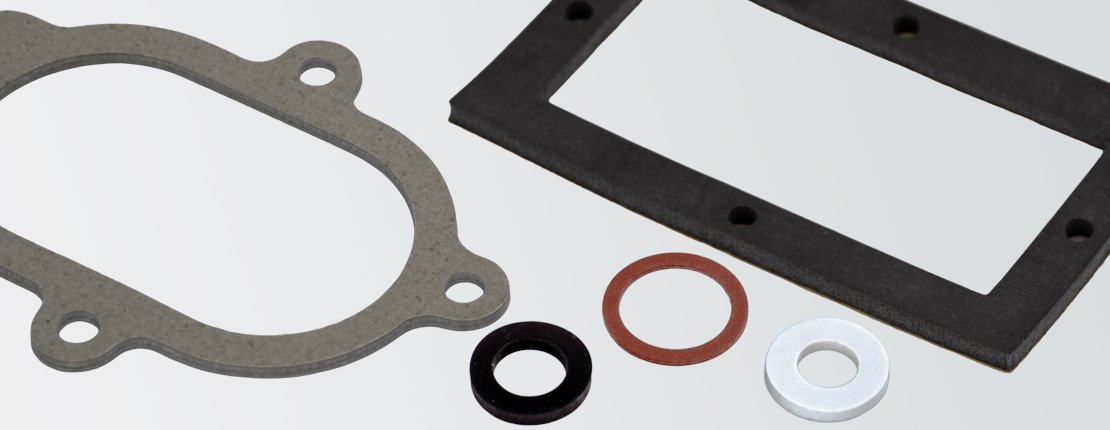
Selecting the correct gasket material is critical to preventing leaks, reducing downtime, and ensuring long-term system reliability. Whether in chemical processing, food production, or high-pressure systems, material choice directly impacts performance, safety, and cost.
Choosing the right material starts with understanding the operational parameters under which the gasket will function. Choosing the right material ensures reliability, longevity, and safety.
Step 1: Define Operating Conditions (External Environment)
The first step in material selection is to clearly define the conditions in which the gasket or seal will operate. These external factors determine the baseline requirements for performance and durability.
Key considerations include:
- Temperature: Materials must withstand both the minimum and maximum operating temperatures. For example, graphite gaskets perform well in high-temperature environments, whereas elastomers are typically better suited to moderate ranges.
- Pressure: Higher pressures require materials with sufficient compressive strength and structural integrity, such as metal gaskets or reinforced composites.
- Chemical Exposure: The material must resist any fluids or gases it will contact. In chemically aggressive environments, fluoroelastomers such as Viton® are often preferred due to their superior resistance to fuels, oils, and solvents.
Understanding these operating conditions helps narrow down suitable material groups before evaluating specific properties.
Step 2: Evaluate Material Behaviour (Performance Properties)
Once operating conditions are defined, the next step is to assess how candidate materials perform under those conditions. This focuses on the inherent properties that determine sealing effectiveness over time.
- Key factors include:
- Thermal Stability: The material must maintain its integrity, flexibility, and sealing capability across the full temperature range without hardening, cracking, or degrading.
- Chemical Compatibility: Ensure the material will not swell, corrode, or chemically break down when exposed to process media.
- Pressure Retention: The material must be capable of maintaining a reliable seal under system pressure without extrusion or permanent deformation.
- Environmental Resistance: Consider exposure to moisture, UV radiation, abrasion, or outdoor conditions that may affect long-term performance.
- Durability and Lifespan: Evaluate how the material performs under continuous operation, including resistance to wear, compression set, and ageing.
This step ensures the selected material not only meets initial requirements but continues to perform reliably over time.
Step 3: Consider Compliance and Industry Standards
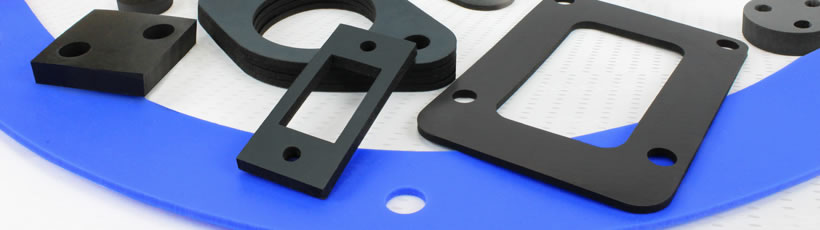
Many industries require seals and gaskets to comply with specific standards to ensure safety, reliability, and regulatory compliance. Key standards to consider include:
- ASME B16.20: Governs metallic gaskets used in high-pressure piping applications.
- PN Ratings (e.g., PN16, PN40): Define the nominal pressure a gasket or flange can withstand in metric piping systems.
- FDA and EU Regulations: Ensure materials used in food, beverage, and pharmaceutical applications are safe and non-reactive.
- DIN and EN Standards: Common in Europe, covering gasket dimensions, materials, and performance criteria.
- API Standards (e.g., API 601, API 622): Relevant for the oil and gas industry, specifying gasket design, material, and leak performance.
- NACE Standards: Address corrosion resistance requirements, especially for chemical and petroleum industries.
Ensuring compliance with these standards helps guarantee that the selected gasket material not only meets operational requirements but also adheres to industry and regulatory mandates, reducing the risk of failures and legal or safety issues.
Step 4: Evaluate Cost vs. Performance
While it’s tempting to select the cheapest material, cost-effectiveness comes from balancing initial cost with longevity and reliability. A slightly more expensive gasket material may deliver a better whole life cost value, as it can reduce disruption, maintenance costs and downtime significantly.
By following these steps, you can confidently select the ideal gasket material for your application, minimising risk and maximising efficiency.
Key Considerations:
- Assess temperature, pressure, and chemical exposure first
- Match the material properties to your application
- Ensure compliance with industry standards
- Balance cost with long-term performance
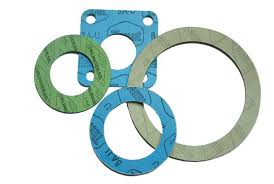
The following comparison table evaluates common elastomeric, fibrous, and metallic materials, such as Nitrile (NBR), EPDM, Silicone, and PTFE against some key criteria to help you identify the most cost-effective and reliable solution for your specific application.
| Material | Temperature Range | Pressure Tolerance | Chemical Compatibility | Key Advantages | Common Applications |
|---|---|---|---|---|---|
| Nitrile (NBR) | -40°C to +120°C | Low to moderate | Good with oils, fuels, hydrocarbons; poor with ozone/UV | Cost-effective, oil-resistant | Automotive, fuel systems, hydraulic seals |
| EPDM | -50°C to +150°C | Low to moderate | Excellent with water, steam, mild acids; poor with oils | Weather/ozone resistant, FDA grades available | HVAC, water treatment, food-grade seals |
| Silicone | -60°C to +200°C | Low to moderate | Resistant to ozone, weathering; limited fuel/oil resistance | Flexible at extreme temperatures | Medical devices, food processing, ovens |
| PTFE (Teflon) | -200°C to +260°C | Moderate | Excellent chemical resistance, inert to most fluids | Non-stick, FDA compliant, broad chemical use | Chemical processing, pharma, food industry |
| Graphite | -200°C to +450°C (up to 3000°C in non-oxidizing atmospheres) | High | Excellent with acids, solvents, steam; oxidizes in air >450°C | High-temp resistance, creep-resistant | Power plants, refineries, exhaust systems |
| Viton® (FKM) | -20°C to +200°C | Moderate | Excellent with fuels, oils, solvents; poor with steam/amine | Superior chemical and fuel resistance | Aerospace, oil & gas, automotive |
| Neoprene (CR) | -40°C to +120°C | Low to moderate | Good with oils, ozone, weathering; limited chemical resistance | Balanced performance, durable | Refrigeration, marine, HVAC |
| Cork | -20°C to +120°C | Low | Moderate resistance to oils and fuels; poor with solvents | Compressible, conformable, lightweight | Automotive engines, electrical transformers |
| Compressed Fibre (general) | -50°C to +400°C | Moderate to high | Resistant to oils, water, steam, mild chemicals | Economical, versatile sealing material | General industry, pumps, compressors |
| Aramid/NBR Compressed Fibre | -50°C to +300°C | High | Excellent with oils, fuels, hydrocarbons, steam; limited with strong acids/alkalis | Strong mechanical strength, creep resistant | Oil & gas, petrochemical, chemical plants |
| Metal (SS, Inconel, etc.) | Up to +1000°C (material-dependent) | Very high | Excellent with most fluids, gases, and steam | Handles extreme temp/pressure, reusable | High-pressure pipelines, turbines, flanges |
| Spiral Wound (Composite) | -200°C to +1000°C | Very high | Depends on filler (graphite/PTFE/mica) and metal choice | Versatile, robust under harsh conditions | Petrochemical, refinery, nuclear |
Choosing the correct gasket material is not just a specification decision, it directly impacts system safety, maintenance frequency, and operational cost. By evaluating operating conditions, material properties, and compliance requirements, engineers can ensure reliable sealing performance across even the most demanding applications.
For guidance and support Contact our team of experts, or call them on +44 (0) 1420 474 123.