
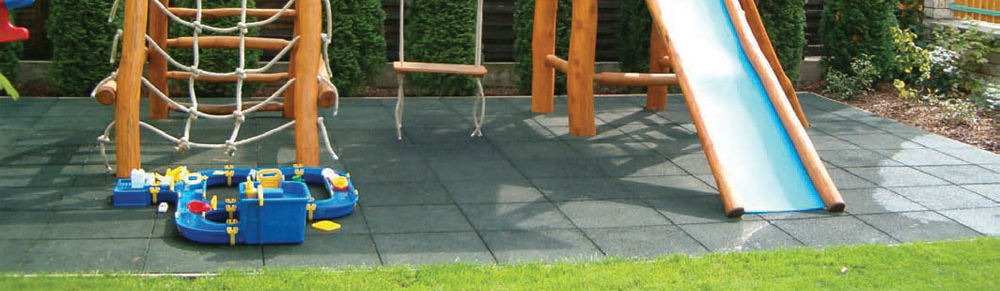
 Playgrounds and indoor play areas are designed to encourage activity, creativity, and social interaction.
However, playgrounds must be designed with safety in mind. One of the most important elements in reducing the risk of injury is the surface beneath equipment. Properly specified playground or play area matting can significantly reduce the severity of injuries caused by falls.
For specifiers, contractors, schools, councils, and facilities managers, understanding the legal framework surrounding playground surfacing is essential. Failing to comply with relevant legislation and safety standards can increase the risk of injury and expose organisations to legal liability.
This article explains the key legislation and safety standards affecting playground and play area matting in the UK, how a risk-based framework helps organisations remain compliant, and what to consider when selecting and maintaining appropriate surfacing.
Why Playground Matting Matters
Playgrounds are designed to encourage movement, exploration, and social interaction, but they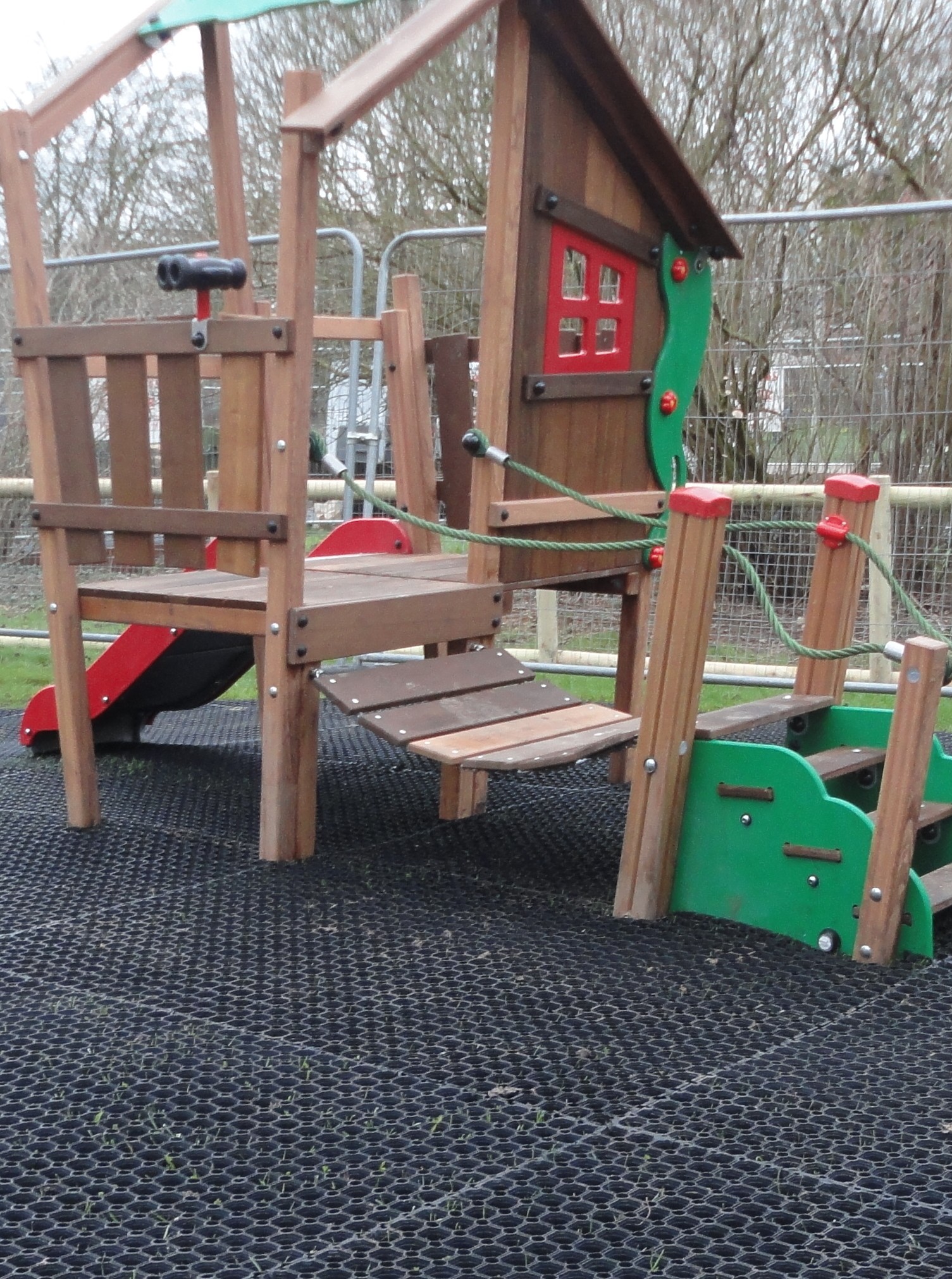 are also environments where falls are inevitable.
Because climbing frames, swings, and other equipment introduce height and motion, the surface beneath them plays a critical role in reducing injury risk. Without appropriate surfacing, even relatively low falls onto hard ground such as concrete or compacted soil can result in serious harm.
This is why shock-absorbing playground matting is so important. It helps reduce the impact energy of a fall and is a key factor in safer play area design, particularly in commercial and public-use environments.
A key measure used to assess this performance is Critical Fall Height (CFH), which indicates how effectively a surface can absorb impact from different heights.
Understanding the Legal Framework and Safety Standards
The use of playground surfacing is not governed by strict prescriptive legislation on materials or construction methods. Instead, organisations are required to ensure that playground environments are safe through risk assessment and appropriate control measures.
This duty is set out in key UK legislation, including:
- Health and Safety at Work etc. Act 1974 – requires safe systems of work for both employees and the public
- Occupiers’ Liability Acts 1957 and 1984 – establish a duty of care to ensure visitors are reasonably safe
- Management of Health and Safety at Work Regulations 1999 – requires suitable and sufficient risk assessments
To support these legal duties, organisations rely on recognised industry standards that define how safety performance should be assessed.
The most important of these is BS EN 1177, which sets out how playground surfacing is tested for impact attenuation. This standard measures how well a surface reduces injury risk from falls, using the Head Injury Criterion (HIC) as the benchmark for safety performance.
Alongside this, BS EN 1176 provides guidance on playground equipment design, including the requirement that appropriate surfacing is installed within defined fall zones.
Together, legislation and standards ensure that playground surfacing is not chosen arbitrarily, but selected and installed based on measurable safety performance.
Critical Fall Height and Fall Zones
To correctly specify playground matting, two key concepts must be understood: Critical Fall Height and fall zones.
Critical Fall Height (CFH)
Critical Fall Height refers to the maximum height from which a child can fall onto a surface without sustaining a life-threatening head injury. It is determined through controlled testing, where impact performance is measured using the Head Injury Criterion (HIC).
The resulting CFH rating indicates the protective capability of a surface and is central to safe product selection.
Fall Zones
Fall zones are the areas surrounding playground equipment where a child is likely to land during use or in the event of a fall. This includes not only the immediate area beneath equipment, but also surrounding zones influenced by movement—such as the arc of swings or slide exit paths.
For a surface to perform effectively, the entire fall zone must be fully covered with appropriate surfacing. Gaps, uneven coverage, or exposed hard ground can significantly increase injury risk.
Correct fall zone design, combined with the right CFH-rated material, ensures the surface performs as intended under real-world conditions.
Independent Testing and Product Performance
To demonstrate compliance and performance, playground surfacing is tested using recognised standards such as BS EN 1177. This provides measurable data on impact attenuation and ensures products perform consistently in real-world conditions.
Grass-Based Safety Mats
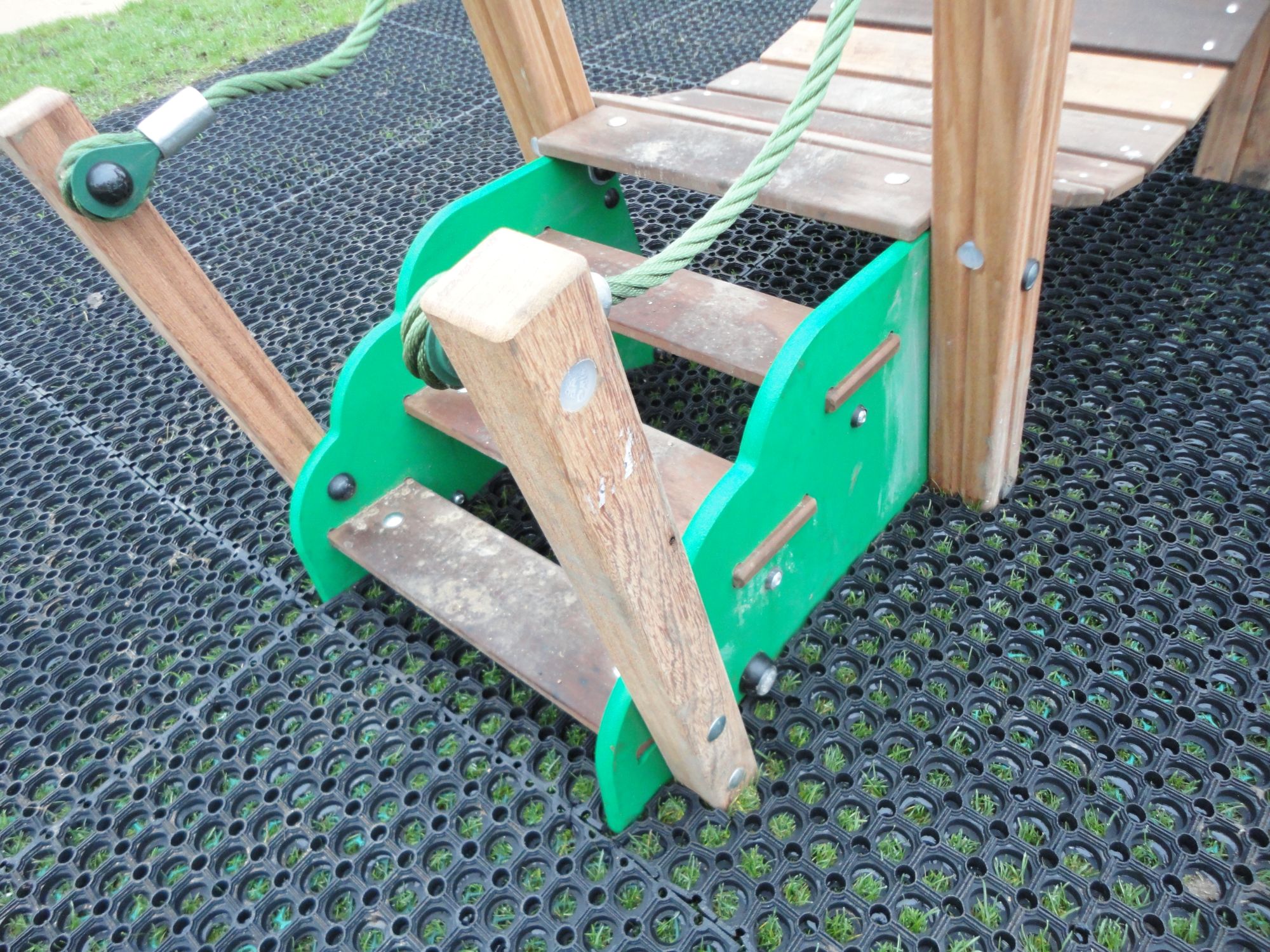 Products such as EASI Grass Mats and ORBIK Grass Mats are designed for installation over natural turf, providing reinforced protection while maintaining a grass surface.
Independent testing has demonstrated that our Polymax EASI and ORBIK grass mats can provide significant fall protection when installed correctly on suitable ground conditions.
| Product | Thickness | Critical Fall Height |
|---|---|---|
| EASI Grass Mat | 23 mm | Up to 3.4 m |
| ORBIK Grass Mat | 22 mm | Up to 3.4 m |
These products are tested in accordance with BS EN 1177 safety standards, confirming their suitability as shock absorbing surfaces in playground environments.
Additional benefits include:
- Excellent drainage
- Reduced mud formation
- Natural grass appearance
- Durable water resistant mats
- Suitable for high traffic areas
Critical Fall Height Performance – Polymax Play Safety Tiles
Rubber crumb safety tiles are one of the most common forms of commercial playground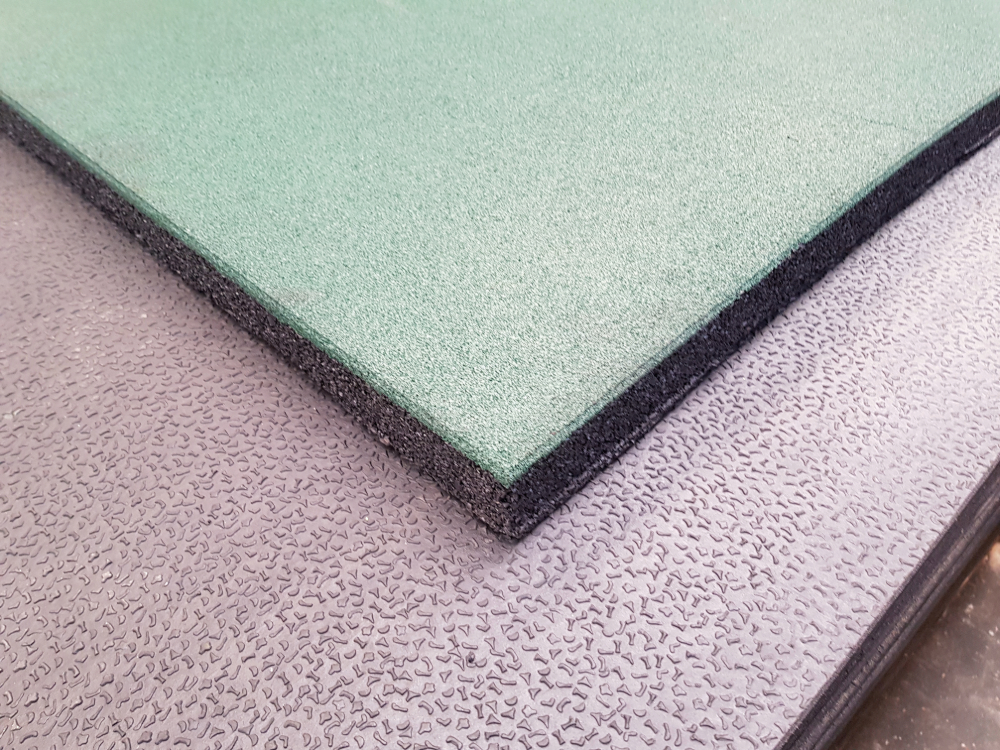 surfacing, particularly where defined fall heights must be matched to specific safety surfaces.
Polymax Play Safety Tiles are manufactured from recycled rubber crumb and provide consistent shock absorption across the surface.
Independent laboratory testing of Polymax Play Safety Tiles, carried out in accordance with EN 1177:2018 for the determination of impact attenuation (HIC), produced the following results when the tiles were installed over a concrete base:
| Tile Thickness | Critical Fall Height |
|---|---|
| 20mm | 0.59m |
| 30mm | 1.14m |
| 40mm | 1.20m |
| 50mm | 1.50m |
| 60mm | 1.77m |
| 70mm | 2.14m |
| 80mm | 2.40m |
These results demonstrate how surfacing thickness directly affects fall protection performance.
When specifying rubber tiles, the chosen thickness must always match or exceed the free height of fall of the playground equipment.
For example:
- Equipment with a fall height of 1.5 metres should use Polymax Play Safety Tiles tiles that have a minimum thickness of 50mm or greater.
Correct specification ensures the surface provides effective protection across the designated fall zone.
Why Certification Matters
Testing conducted by a UKAS-accredited laboratory confirms that playground surfacing has been evaluated using controlled laboratory procedures and calibrated equipment in accordance with relevant standards.
For specifiers and operators, this means: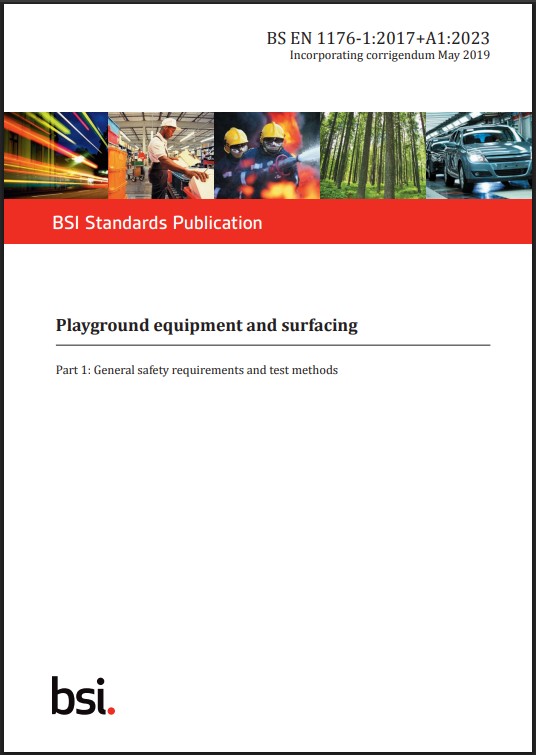
- Verified Critical Fall Height performance
- Confidence in compliance with BS EN 1177
- Consistency in product quality and safety performance
- Supporting documentation for duty of care requirements
This evidence-based approach helps organisations demonstrate that reasonable steps have been taken to manage risk effectively.
Installation Compliance Considerations
Even high-quality playground matting will only perform correctly if installed appropriately.
Several factors influence installation compliance, including:
- Ground preparation
- Base stability
- Surface levelness
- Drainage conditions
- Correct fall zone coverage
For example, poor drainage can allow water to accumulate beneath the surface, potentially affecting performance during frost conditions.
Ensuring the installation follows manufacturer guidance helps maintain the intended safety performance of the surface.
Who Is Legally Responsible for Playground Safety?
Responsibility for playground safety usually lies with the organisation that owns or manages the site.
This may include:
- Local authorities
- Schools and academies
- Nurseries
- Leisure centres
- Property owners
- Commercial playground operators
Under occupiers' liability legislation, these organisations must take reasonable steps to ensure playground equipment and surfacing remain safe for users.
This includes selecting appropriate playground or play area matting and maintaining it throughout its lifespan.
The Impact of Weather on Playground Matting Performance
Outdoor playground surfaces must withstand continuous exposure to weather conditions.
Several environmental factors can influence performance.
UV Exposure
Long-term ultraviolet exposure may gradually degrade certain materials, potentially reducing elasticity.
Frost and Freeze-Thaw Cycles
Freeze-thaw cycles can cause ground movement if water becomes trapped beneath the matting.
Rain and Drainage
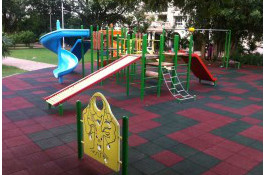 Surfaces designed to allow water to pass through help prevent pooling and maintain consistent safety performance.
High-quality playground matting systems such as the Polymax Play Tiles are designed to remain durable despite seasonal weather variations.
Playground Maintenance and Ongoing Inspection
Regular inspection is an essential part of playground maintenance.
Typical checks should include:
- Surface wear or damage
- Loose or lifted tiles
- Grass growth through reinforcement mats
- Drainage effectiveness
- Changes in ground levels
Routine inspections help identify issues early before they develop into safety hazards.
Is Ongoing Assessment a Legal Requirement?
UK legislation does not specify a fixed inspection schedule for playground surfacing. However, operators are required to ensure that playground environments remain safe.
Industry guidance from organisations such as RoSPA recommends three types of inspection:
- Routine visual inspections
- Operational inspections
- Annual independent inspections
These assessments demonstrate that operators are actively managing risk in accordance with health and safety obligations.
Common Compliance Mistakes
Several issues can lead to non-compliance in playground environments.
Common examples include:
- Installing surfacing with insufficient Critical Fall Height
- Incorrect fall zone coverage
- Poor drainage beneath surfaces
- Failure to conduct regular inspections
- Replacing damaged tiles with incompatible materials
Working with Polymax and using our products tested to recognised safety standards can help avoid these problems.
Choosing the Right Playground Matting Solution
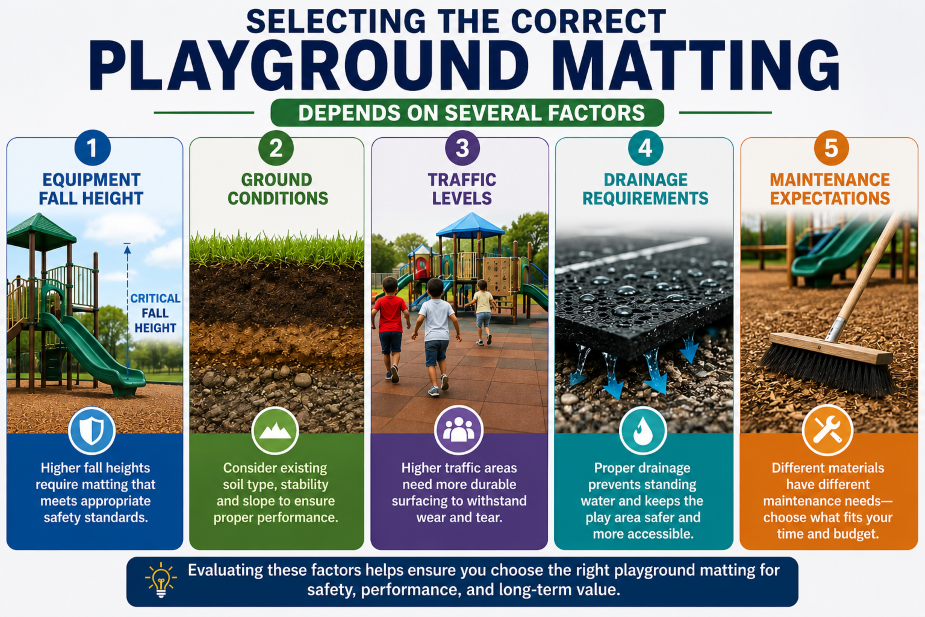
Selecting the correct playground matting depends on several factors including:
Polymax supplies a range of specialist solutions including:
- Play Safety Tiles for defined fall zones
- EASI Grass Mats for reinforcing natural turf
- Orbik Grass Mats for durable grass protection
These solutions are available from stock with short lead times, helping contractors and site operators quickly implement compliant playground surfacing.
Speak to the Experts
Understanding the legal requirements surrounding playground surfacing can be complex, particularly when balancing legislation, safety standards, and installation considerations.
Explore the full range of playground and play area matting available of for expert advice Contact the Polymax experts here or call on +44 (0) 1420 474 123
Disclaimer
Legislation and safety standards referenced in this article are correct at the time of publication. Organisations should ensure they review the most current regulations and guidance when specifying playground safety surfacing.