For UK enquiries please visit polymax.co.uk or contact us on 01420 474123 | Email sales@polymax.co.uk
22 208 4400
zł PLN
zł złoty polski (PLN)
Change currency:
  • £ funt szterling (GBP)
  • € euro (EUR)
  • Rs rupia indyjska (INR)
  • US$ dolar amerykański  (USD)

biuro@polymaxpolska.pl
Nie masz produktów w koszyku.
0
Koszyk

Polymax Blog

  • The Benefits of FFKM O-Rings and What Are Their Applications

    FFKM (Perfluoroelastomer) O-rings are one of the most reliable sealing solutions available, offering unmatched performance in some of the most demanding environments. Combining extreme temperature tolerance, excellent chemical resistance, and mechanical integrity, FFKM has earned its place in industries ranging from aerospace to chemical processing. 

    What is FFKM and Why is It So Effective?

    FFKM, or Perfluoroelastomer, is a highly fluorinated version of fluoroelastomer that was first developed in the 1960s. Its unique composition gives it the ability to withstand extreme temperatures ranging from -45°C to +330°C, and makes it resistant to over 1,800 chemicals, including hydrocarbons, oils, fuels, and aggressive solvents. This extraordinary versatility is why FFKM is now used extensively across industries that require the highest standards of sealing performance.

    Key Benefits of FFKM O-Rings

    1. Exceptional Temperature Resistance FFKM O-rings are designed to perform in both extremely high and low-temperature environments. They can withstand temperatures as low as -45°C (-49°F) and as high as 330°C (635°F). This makes them ideal for industries such as aerospace, automotive, and heavy-duty machinery where temperature extremes are common.
    2. Unmatched Chemical Resistance One of the standout features of FFKM is its resistance to a wide range of chemicals. With the ability to resist over 1,800 chemicals, solvents, and plasmas, FFKM O-rings ensure reliable performance even in aggressive environments. This resistance makes FFKM ideal for applications in chemical processing, oil and gas, and semiconductor manufacturing.
    3. Superior Permeation Resistance FFKM O-rings are highly resistant to gas and liquid permeation, which can lead to seal degradation and failure. Their ability to prevent permeation helps maintain the integrity of the sealing system, extending the lifespan of the equipment and preventing costly downtime or leaks.
    4. Weathering and Ozone Resistance FFKM seals are highly resistant to ozone and weathering, making them perfect for outdoor applications. Whether exposed to fluctuating temperatures, humidity, or UV radiation, FFKM O-rings retain their structural integrity and sealing ability. This resistance is essential in industries like automotive and oil and gas, where outdoor exposure is common.
    5. Safety and Non-Flammability FFKM O-rings are typically self-extinguishing and exhibit very low flammability in air due to their fully fluorinated polymer structure. This makes them suitable for applications where fire safety and thermal stability are important considerations.
    6. Low Outgassing and Extractables In industries like pharmaceuticals, medical device manufacturing, and semiconductor production, outgassing and particle contamination can cause serious problems. FFKM O-rings feature low outgassing properties, ensuring that they don’t release harmful vapors or particles, which is critical for maintaining cleanliness in high-sterility environments.
    7. Outstanding Mechanical Properties FFKM O-rings offer excellent compression set resistance and sealing performance, even under mechanical stress. This makes them ideal for heavy-duty machinery, aerospace, and automotive applications, where maintaining a tight seal under pressure is essential.
    8. Suitability for Explosive Decompression FFKM is resistant to explosive decompression, a phenomenon that occurs when a material rapidly decompresses under pressure. This resistance prevents rupture, leaks, and seal failures, making FFKM O-rings highly reliable in high-pressure applications.
    9. Customisable Shapes and Sizes FFKM O-rings can be easily customized into a variety of shapes and sizes to meet specific application requirements. Whether you need O-rings, gaskets, or custom seals, FFKM's flexibility ensures a perfect fit for your sealing needs.
    10. Ultra-Clean Formulas for High-Sterility Environments For applications requiring the highest levels of cleanliness, such as pharmaceuticals and semiconductor manufacturing, FFKM O-rings are available in ultra-clean formulations. Manufactured in cleanroom environments, these seals are free from contaminants, ensuring the integrity of your processes.
    11. We can also supply FFKM with approvals such as:
      • 3-A
      • AED/RGD
      • BfR XXI
      • FDA
      • Low Temperature
      • NORSOK M-710-2
      • NORSOK M-710-3
      • Steam Resistance
      • USP Class VI

    Applications of FFKM O-Rings in Different Industries

    Given the exceptional benefits of FFKM, it's no surprise that this material is used across a wide range of industries. Here are some of the key applications:

    • Chemical Processing: FFKM O-rings are ideal for chemical processing applications, including reaction column seals, chemical fluid handling, and heavy-duty cleaning processes. Their chemical resistance makes them perfect for handling aggressive solvents and chemicals.
    • Oil and Gas: In the oil and gas industry, FFKM is commonly used for sealing applications in pump and motor stators, packer elements, and critical sealing parts exposed to hydrocarbons and fuels. Its ability to withstand harsh chemicals and extreme pressure makes it a trusted material for this industry.
    • Aerospace: Aerospace applications require materials that can handle extreme temperatures, pressure variations, and environmental stress. FFKM is ideal for use in aircraft engines, seals, and piston rings, where performance reliability is paramount.
    • Heavy-Duty Machinery: FFKM O-rings are used in heavy-duty machinery where seals are subject to high mechanical stresses. Industries such as manufacturing, construction, and mining benefit from the durability and performance that FFKM seals provide.
    • Automotive: FFKM's resistance to high temperatures, ozone, and a wide range of chemicals makes it a perfect fit for automotive applications. It is widely used in fuel systems, injectors, and high-pressure pumps, ensuring long-lasting, reliable performance in automotive environments.

    Why Choose FFKM O-Rings from Polymax?

    At Polymax, we specialise in providing top-quality FFKM O-rings and sealing solutions for a wide range of industries. Our FFKM O-rings are manufactured to the highest standards to meet the demanding needs of your applications. Whether you are in aerospace, chemical processing, or automotive, we offer the perfect sealing solution to improve efficiency, reduce downtime, and enhance safety.

    We can supply FFKM compounds similar to:

    Brand Grades
    Kalrez® 4079, 6375, 7075
    Chemraz® 505, 510, 513, 517, 551, 553, 600, 605, 615
    Perlast® G75B, G80A, G80H
    Simriz® 491, 495
    Isolast® J9440, J8325, J9876
    Parker Parafluor® V8910-75


    The Polymax team can also work closely with designers and engineers to identify a Polymax compound suited to your specific application. We can support your development process with detailed datasheets, helping you confidently specify the correct material for both current requirements and future designs.

    Contact Polymax today to find out how FFKM O-rings can enhance your sealing applications. Let us help you choose the right material and design to meet your specific needs, ensuring performance, reliability, and long-term success. Contact our team on: +44 (0) 1420 474 123 or sales@polymax.co.uk 

  • How Warehouse Safety Equipment Protects Staff and Ensures Compliance.

    In the world of logistics and warehousing, the line between operational efficiency and safety compliance can often feel like a balancing act. However, a robust safety strategy is not just about ticking boxes for the Health and Safety Executive (HSE); it is a fundamental component of a profitable, smooth-running facility.

    For Warehouse Managers, Facility Maintenance teams, and Directors, understanding site safety equipment is critical. It is about more than just avoiding fines, it is about protecting your most valuable assets: your people and your infrastructure.

    This guide explores the essential site safety solutions available to modern warehouses, how to mitigate common hazards, ensure legislative compliance, and ensure the safety of your teams.

    The Legal Landscape and Your Responsibilities

    Under the Health and Safety at Work Act and regulations enforced by the HSE, warehouse operators have a strict legal obligation to ensure the health, safety, and welfare of their employees. This includes maintaining safe passageways, managing traffic effectively, and preventing slips and trips, which remain the single most common cause of major injury in UK workplaces accounting for 31 - 33% of all injuries, at a cost of £800 million to £1.1 billion as a result of lost production and other costs. 

    Failing to implement adequate safety measures can lead to severe consequences, from hefty fines to operational downtime. However, compliance does not have to be complex. By integrating targeted solutions, you can create a "safety-first" culture that aligns perfectly with business objectives.

    Managing Warehouse Traffic: Forklifts and Pedestrians

    One of the most critical risks in any warehouse is the interaction between heavy machinery (such as forklifts and HGVs) and pedestrians. Effective traffic management is essential to separate these two groups and control vehicle speed.

    Speed Control Solutions Implementing physical speed deterrents is a proven way to enforce site speed limits. Polymax Speed Ramps offer a durable solution for controlling traffic flow. For areas requiring strict speed control (up to 5mph), the Arrow Speed Ramp provides high visibility with reflective arrows, ensuring drivers are aware of the hazard well in advance. For slightly higher speed zones (10mph), the Economy Speed Bump serves as an effective traffic calming measure for loading areas and car parks.

    Vehicle Positioning and Impact Prevention To prevent vehicles from overshooting parking bays or rolling into pedestrian zones, Rubber Wheel Stops and Kerbs are indispensable. Polymax offers a range of high-visibility wheel stops and extruded rubber kerbs that can be bolted directly to concrete, providing a physical barrier that protects both the vehicle and the facility structure.

    Protecting Infrastructure: Wall and Corner Guards

    In a busy warehouse, accidental collisions are almost inevitable. Scuffs and impacts from forklifts or carts can cause significant structural damage over time, leading to costly repairs, and safety hazards.

    Heavy-Duty Wall Protection Installing robust rubber profiles can absorb impact energy and prevent damage to brickwork and plaster. Polymax Wall Guards, such as the Double D Wall Guard or the Extruded Wall Protector, are designed to buffer vehicles and heavy goods carts. For areas with lower lighting or high traffic, Reflective Chevron Wall Guards offer the dual benefit of physical protection and increased visual warning.

    Corner and Racking Protection Corners are notoriously vulnerable. Corner Protectors (including Bull Nose and Racking Corner Protectors) shield these weak points from collision damage. Additionally, High-Viz Foam Guards can be applied to sharp edges or protruding racking to prevent injury to operatives and damage to machinery.

    Mitigating Slips, Trips, and Falls

    While traffic accidents are high-impact, slips and trips are high-frequency. Wet or oily floors, along with trailing cables, create immediate hazards for operatives.

    Anti-Slip Flooring Ensuring sure footing is paramount. Polymax PYRAMIC Matting features a raised pyramid surface that provides exceptional grip even in wet environments. For premium durability, the Chek Pro Hi Viz Yellow matting offers an oil-resistant, studded anti-slip surface that withstands heavy footfall and increases visibility, making it ideal for walkways and general warehouse flooring.

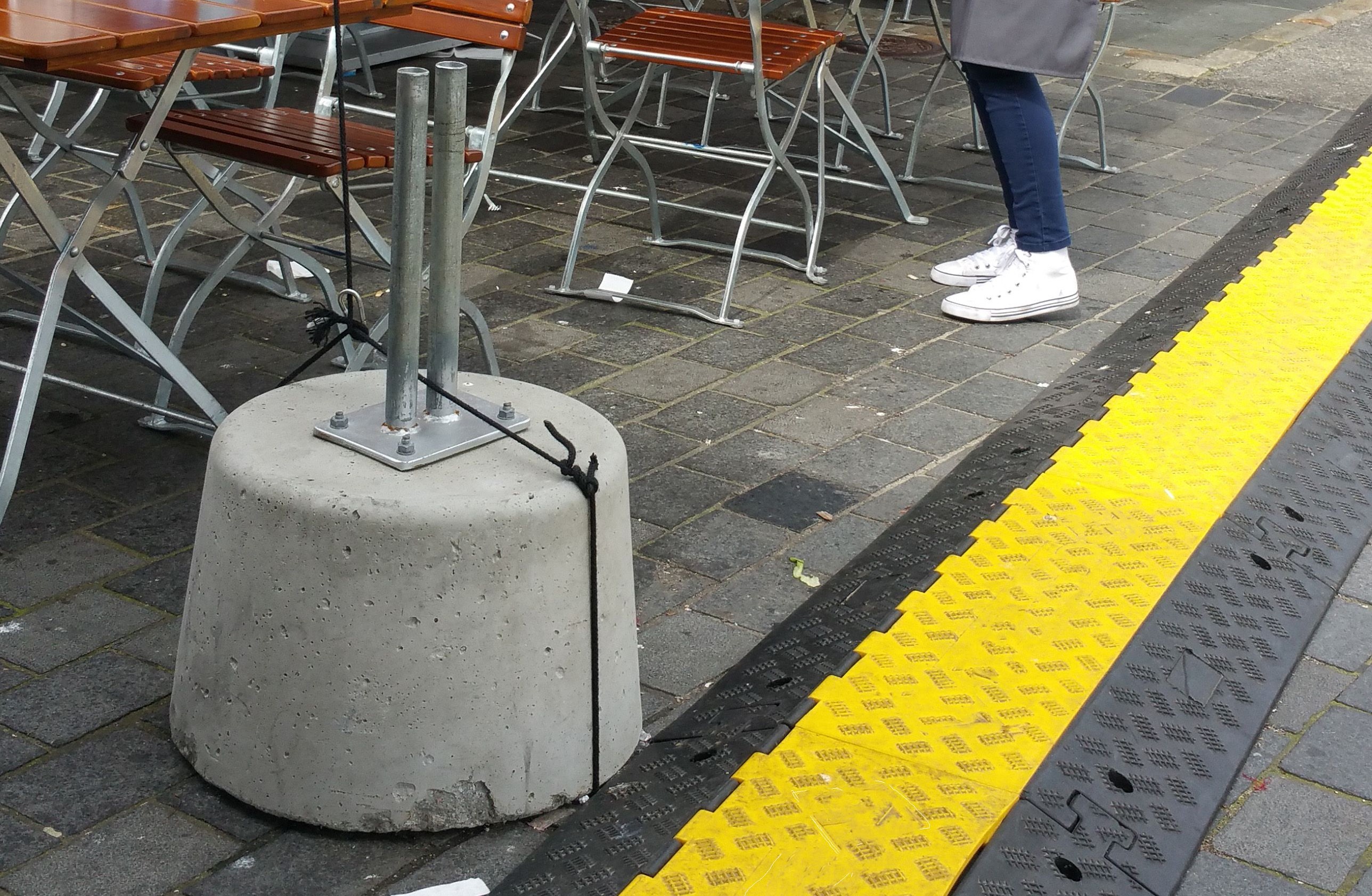
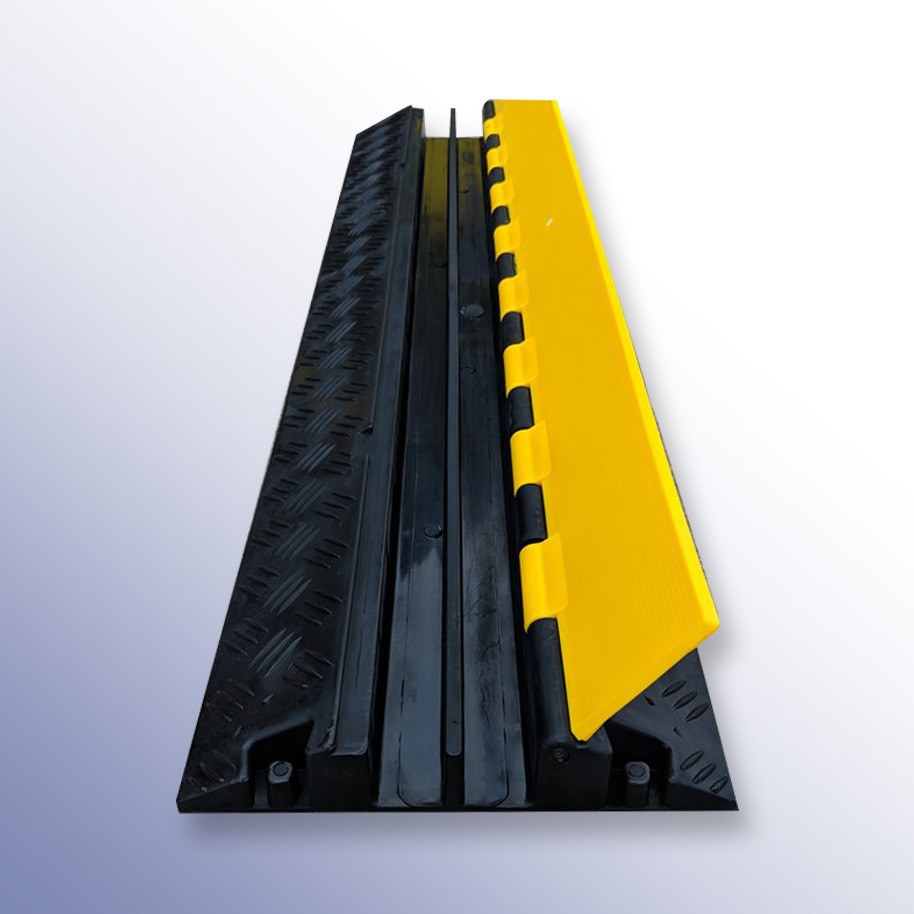
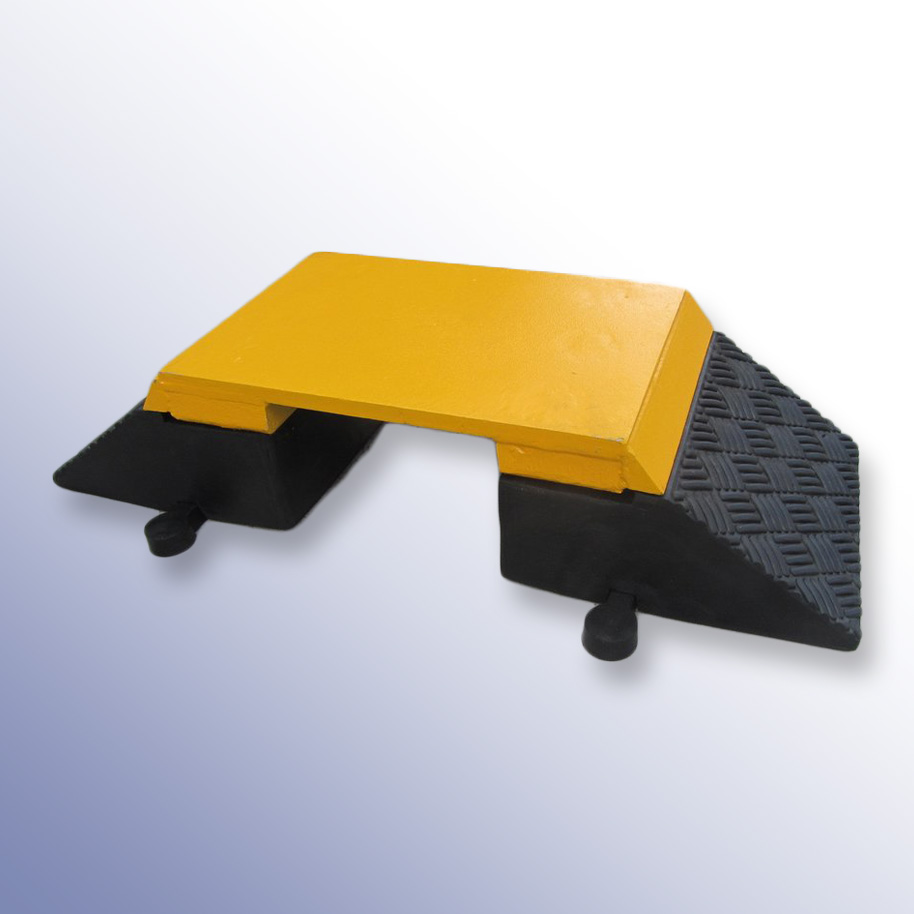
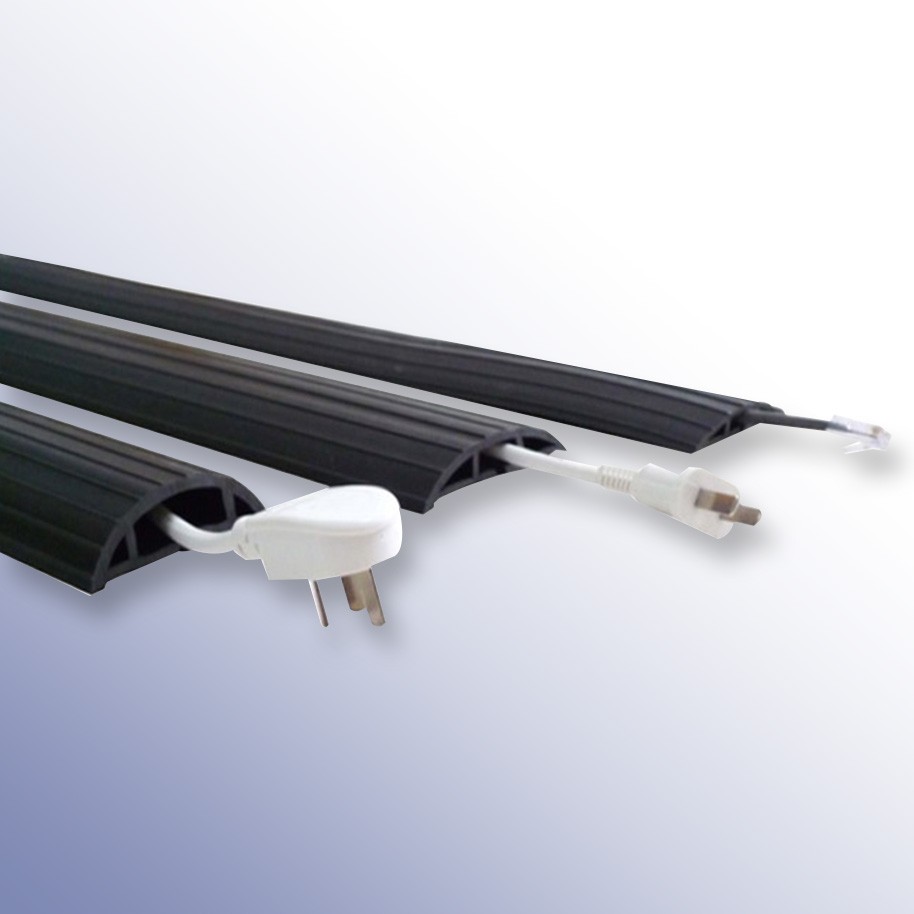
    Cable Management Loose cables are a major trip hazard. Cable and Hose Protectors are a simple yet effective solution. From light-duty profiles for pedestrian walkways to Heavy Duty Cable Ramps capable of withstanding HGV loads, these products ensure that power and data cables are neatly housed and protected from damage, reducing the risk of trips significantly.

    Why Choose Polymax for Site Safety?

    At Polymax, we understand that safety requirements can be urgent. We offer a comprehensive range of industrial site safety solutions, from stock. to learn more contact our team of experts on:

    +44 (0) 1420 474 123 or sales@polymax.co.uk

  • UK Site Safety Requirements for Walkways

    At Polymax, we regularly speak with site managers and contractors who know they must comply with UK site safety requirements, but are unsure how those duties translate into practical flooring and walkway decisions.

    Safe walkways are not just a recommendation. They sit at the heart of Health & Safety at work obligations across construction sites, industrial facilities and commercial buildings. Slips and trips remain one of the most common causes of workplace injury in the UK, and in many cases the risk can be significantly reduced through correct specification and ongoing maintenance of walkway surfaces.

    This article sets out the key legislation, what it means in practical terms, and how the right safety matting can help you meet walkway safety regulations UK wide.

    The Legal Framework Behind Walkway Safety

    Walkway safety is underpinned by several pieces of UK legislation.

    The Health and Safety at Work etc. Act 1974 places a clear duty on employers to ensure, so far as reasonably practicable, the health, safety and welfare of employees and anyone affected by their operations. That includes providing safe access and egress around a site.

    On construction projects, the Construction (Design and Management) Regulations 2015 - CDM 2015 - require risks to be considered from the design stage onwards. Pedestrian routes, temporary walkways and permanent flooring systems must all be assessed as part of that process.

    Guidance from the Health and Safety Executive reinforces the importance of slip resistance, good housekeeping and suitable surfaces. In short, walkway surfaces must be safe, stable and properly maintained.

    What UK Site Safety Requirements Mean in Practice

    Across construction and industrial environments, compliant walkways should be:

    • Clearly defined and, where necessary, segregated from vehicles
    • Even, secure and capable of handling expected loads
    • Slip resistant in both dry and wet conditions
    • Maintained in good condition
    • Free from avoidable trip hazards

    These principles apply to everything from temporary construction site walkway safety measures through to permanent factory aisles and high level access routes.

    For many sites, the challenge is balancing compliance with durability and speed of installation.

    Construction Phase - High Visibility and Slip Resistance

    During construction, walkways are exposed to debris, dust, moisture and heavy traffic. Under CDM 2015, these risks must be anticipated and managed.

    This is where high visibility anti-slip matting plays a crucial role.

    Chek PRO Hi-Viz - Defined, Durable Walkways

    Our Chek PRO Hi-Viz roll has been developed for medium to heavy foot traffic in demanding environments. With an R12 slip resistance rating and strong abrasion resistance, it is well suited to construction site walkway safety where contamination and moisture are common.

    The 2mm thick roll format allows for quick deployment across:

    • Temporary pedestrian routes
    • Welfare unit entrances
    • Access corridors
    • Plant and service areas

    The high visibility yellow finish clearly demarcates safe walking zones, supporting effective trip hazard prevention UK wide. On busy construction sites, that visual definition is not only useful for pedestrians, it also makes designated routes far more obvious to plant and crane operators working at height, helping them quickly identify where people are likely to be moving on the ground.

    Chek PRO Hi-Viz also offers strong fire performance and dimensional stability, making it suitable for enclosed site cabins and internal construction environments as well as open areas.

    Because we hold stock with short lead times, contractors can implement compliant solutions quickly without disrupting project programmes.


    Industrial and High Level Walkways - A Modular Approach

    In operational facilities, walkways must cope with constant traffic, machinery movement and, in some cases, oils or chemicals. High level walkways introduce additional considerations around stability and long-term wear.

    Easi Lok - Interlocking Strength and Flexibility

    Our Easi Lok interlocking PVC tiles provide a robust, modular solution for industrial flooring and defined pedestrian lanes.

    The interlocking format means:

    • Installation is straightforward
    • Sections can be replaced individually if damaged
    • Layouts can be adapted as operations change

    For sites requiring clear segregation, Easi Lok can be supplied with yellow edging pieces. This allows you to create permanent, highly visible walkway boundaries within warehouses, production lines or maintenance areas.

    The textured surface provides reliable slip resistance, while the tile construction supports demanding commercial and industrial loads. For high level walkways where safety and surface integrity are critical, Easi Lok offers a stable, long-term solution.

    Disabled Access and Inclusive Design

    Walkway safety regulations UK wide extend beyond industrial use. Inclusive access must also be considered.

    Safe surfaces should provide:

    • Consistent slip resistance
    • Minimal trip edges
    • Clear visual contrast at boundaries and transitions

    High visibility materials, whether through Chek PRO Hi-Viz rolls or Easi Lok edging, help define routes clearly for all users. Good contrast and flush transitions reduce the risk of trips and support broader accessibility obligations.

    Maintenance and Post-Occupancy Responsibilities

    Meeting UK site safety requirements does not end at installation.

    Under the Health and Safety at Work etc. Act 1974, employers must ensure that flooring and walkways remain safe over time. That includes:

    • Routine inspections
    • Prompt replacement of worn or damaged areas
    • Cleaning regimes appropriate to site conditions
    • Reviewing risk assessments if usage changes

    Both Chek PRO Hi-Viz and Easi Lok are designed with practical maintenance in mind. Roll matting can be lifted and replaced where needed, and interlocking tiles allow individual sections to be swapped without disturbing the surrounding floor.

    This makes it easier to maintain compliance without extensive downtime.

    Creating a Proactive Safety Culture

    While legislation such as CDM 2015 sets minimum expectations, the most effective sites go further.

    Clear walkway definition, high visibility demarcation and investment in durable, slip resistant flooring demonstrate a proactive approach to construction site walkway safety. They also send a clear message to staff and visitors that safety is taken seriously.

    At Polymax, we see the difference that properly specified matting can make. It supports compliance, protects productivity, and sends everyone home safely at the end of the day.

    Custom Printing Services

    CHEK PRO Hi-Vis Flooring Roll at Polymax

    Increase your brand presence or include important safety messages with our custom printing services for rubber flooring and matting. Whatever the application our printing capabilities allow you to display your logo or important safety messages.

    Speak to Polymax

    If you are reviewing your compliance with UK site safety requirements or planning new walkways within a construction or industrial setting, we can help.

    Our team can advise on the suitability of Chek PRO Hi-Viz rolls or Easi Lok interlocking tiles for your application, with products available from stock and short lead times to keep projects moving.

    Get in touch with Polymax today to discuss your requirements and request further technical information on +44 (0)1420 474 123 or sales@polymax.co.uk 

    Legislation and standards referenced are correct at the time of publication.

  • Polymax Invests in Advanced Rubber Moulding Technology


    At Polymax, we are committed to continuous improvement and delivering greater value to our customers. Our latest investment in advanced rubber moulding machines is another step forward, enhancing precision, expanding capability, and increasing production efficiency across our operations, and expanding our capacity to provide custom rubber moulding solutions.

    What This Means for You

    Higher Accuracy & Tighter Tolerances

    Equipped with advanced control systems and integrated sensor technology, our new machines provide exceptional process control and repeatability. The result is consistent, high-quality components manufactured exactly to specification.

    Expanded Manufacturing Capabilities

    We can now accommodate a wider range of mould configurations, including 2-plate, 3-plate, and 4-plate tooling. This expanded flexibility allows us to deliver more complex geometries and highly customised rubber components, tailored to your exact requirements.

    Improved Efficiency & Reliable Lead Times

    Enhanced machine integration and reduced manual handling streamline our production processes. This not only improves tool longevity but also increases output efficiency, helping us deliver dependable lead times you can plan around.

    Safer, Smarter Production

    Upgraded safety features and improved ergonomics create a safer, more efficient working environment for our team. By reducing risk and enhancing workflow, we ensure consistent performance and sustained quality at every stage of production.

    To find out more about our custom moulding capabilities, contact our team of experts on:

    + 44 (0)1420 474 123 or sales@polymax.co.uk

  • WRAS Approval Scheme for Drinking Water: Standards, Materials, and Global Comparisons

    Ensuring the Safety and Compliance of Materials for Potable Water

    Ensuring the safety and compliance of materials in contact with drinking (potable) water is a critical responsibility for engineers, manufacturers, and contractors in the UK. The Water Regulations Advisory Scheme (WRAS) provides a robust framework to certify materials for potable water use, verifying that products will not compromise water quality, public health, or system performance.

    Is WRAS Approval a Legal Requirement?

    While WRAS approval itself is a voluntary certification and not a legal requirement, compliance with the Water Supply (Water Fittings) Regulations (or Scottish Byelaws) is mandatory by law.

    In the context of O-rings, this means:

    • The Legal Risk: Installing a non-compliant O-ring, such as a generic automotive seal, that leaches chemicals or promotes bacterial growth is a criminal offense.
    • The Performance Gap: In the UK, compliance is viewed through two lenses: Safety (BS 6920/WRAS) and Reliability (EN 681-1). While WRAS ensures the water stays pure, EN 681-1 (the standard for elastomeric seals) ensures the O-ring is physically strong enough to prevent leaks and structural failure.
    • The Practical Solution: Because individual homeowners and plumbers cannot easily perform laboratory tests on a single rubber seal, using WRAS-approved O-rings is the only practical way to guarantee that a component meets the required legal standards for both safety and mechanical integrity.

    The regulations state that every water fitting must be of "an appropriate quality and standard." While other certifications (like KIWA or NSF) are also legally valid, WRAS remains the most recognised "stamp of approval" in the UK to ensure your plumbing stays on the right side of the law.

    What WRAS Approval Ensures

    WRAS certification confirms that materials and components in contact with potable water:

    • Do not leach harmful substances into water.
    • Maintain taste, odour, and clarity.
    • Prevent microbial growth (Standardised via EN 16421).
    • Retain structural integrity under normal service conditions (Standardised via EN 681).

    Materials undergo rigorous testing, including:

    • Chemical extraction testing: Ensures no harmful compounds migrate into water.
    • Organoleptic assessment: Evaluates taste and odour impacts.
    • Microbial growth testing (EN 16421 / BS 6920-2.6): Ensures the material does not provide a "food source" for bacteria. EN 16421 tests the Enhancement of Microbial Growth (EMG), preventing biofilms that could harbor pathogens like Legionella.
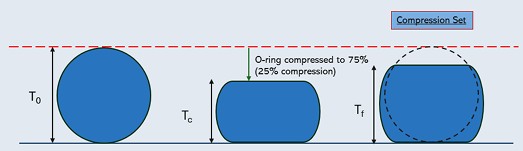
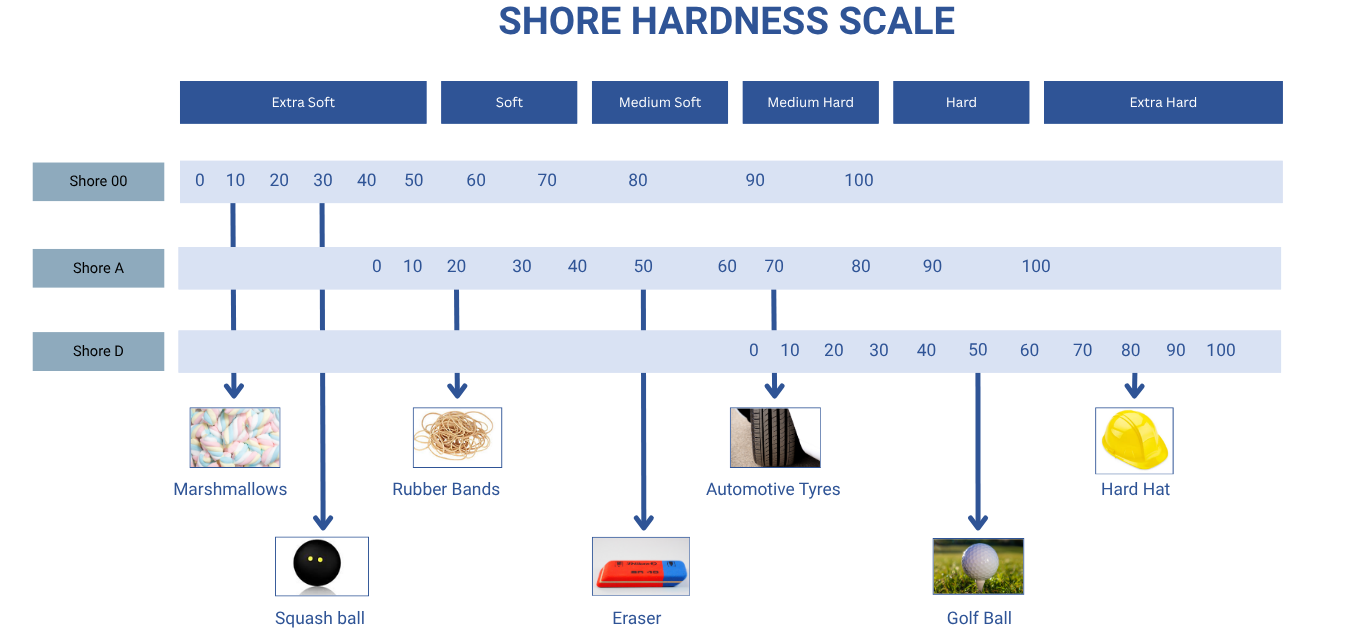
    • Mechanical performance (EN 681-1): Verifies hardness, tensile strength, and "compression set" to ensure the seal doesn't degrade over time.

    Only materials that meet all criteria are approved, providing confidence in long-term water safety for engineers, contractors, and water authorities.

    Scope of WRAS-Certified Products

    WRAS certification is relevant to non-metallic components in contact with potable water, including:

    Checking WRAS Approval

    • Verify that a product has a current WRAS approval mark.
    • Approvals are valid for 5 years and must be re-evaluated after expiration.
    • Formulations can change over time; only verified approvals ensure regulatory compliance.
    • Manufacturers display the WRAS Certification Mark on packaging or websites.
    • Check out the official Polymax WRAS listings on the WRAS website.

    Key point: WRAS approval covers individual products or materials, not an entire manufacturer’s product range.

    WRAS vs Global Potable Water Standards

    Region / Country Approval Scheme Primary Focus Comparable to WRAS?
    United Kingdom WRAS UK Water Fittings Regulations Yes
    Europe EN 16421 / EN 681 Microbial Growth / Mechanical Seals Technical foundation
    United States NSF / ANSI 61 Drinking water system safety Yes
    Germany KTW-BWGL / DVGW Non-metallic materials (inc. W270) Yes
    France ACS Sanitary compliance Yes
    Australia & NZ WaterMark Plumbing product safety Yes

    Elastomer and Non-Elastomer Material Comparison

    Selecting the correct elastomer or material is critical for WRAS compliance. Only chemically inert, water-stable, and microbiologically safe materials should be used in drinking water systems.

    Material WRAS Approved Material WRAS Approved Water Temp Material Operating Temp
    Silicone (VMQ) Yes (Compound specific) Up to 85°C -60°C to +200°C
    EPDM Yes (Compound specific) Up to 85°C -40°C to +120°C
    Nitrile (NBR) Yes (Compound specific) Up to 85°C -30°C to +100°C
    FKM Yes (Compound specific) Up to 85°C -15°C to +200°C

    WRAS at a Glance

    • Chemical safety (via BS 6920)
    • Microbiological safety (via EN 16421)
    • Mechanical reliability (via EN 681)
    • Regulatory compliance (Water Supply Regulations 1999)

    For UK potable water applications, engineers and specifiers should prioritise WRAS-approved Silicone (VMQ) and EPDM, as these consistently meet stringent testing requirements.

    Tip: Always verify material WRAS status and consult technical datasheets to ensure safe, compliant, and long-lasting potable water systems.

    Get Expert Advice

    Our team of experts can help you choose the right materials for drinking water applications, ensuring WRAS compliance and UK regulatory adherence.

    Contact us: +44 (0) 1420 474 123 | Email: sales@polymax.co.uk

  • Polymax offer EN45545 Compliant Rubber Compounds

    When it comes to passenger safety in public transport, material choice is critical. Around half of all fire-related casualties are not linked to flames, but to the inhalation of smoke and toxic gases. For manufacturers and operators in the rail sector, the challenge is clear: select materials that limit ignition, reduce flame spread, and minimise smoke and toxicity.

    Polymax is bringing the latest in material innovation with the introduction of Polymax TRail® EN45545-certified rubber compounds. These compounds have been developed by Polymax’s in-house chemists and independently certified by a COFRAC accredited laboratory, ensuring compliance with the highest international safety standards.

    Why EN45545 Matters

    The EN45545-2:2013+A1:2016 standard governs the fire behaviour of materials used in rail and transport applications, classifying them by hazard level depending on their use inside or outside carriages. The goal is simple but vital: to restrict fire development and provide passengers and staff valuable time to reach safety.

    The approved compounds meet the most demanding of these classifications:

    • Polymax TRail® R10 HL3 – SE 75
    • Polymax TRail® R22/23 HL2 – RE 75

    Tested for Safety, Proven in Performance

    The compounds have undergone rigorous testing across key fire performance measures:

    • ISO 9239-1 Critical Flux Test – Demonstrates resistance to flame spread; Polymax compounds showed excellent performance in limiting flame propagation.
    • ISO 5660-1 Rate of Heat Release – Using a cone calorimeter, the compounds achieved a low Maximum Average Rate of Heat Emission (MARHE), indicating slower heat release and reduced fire intensity.
    • ISO 5659-2 Smoke Density and Toxicity – Tests confirmed low smoke generation with significantly reduced emission of toxic gases, a major factor in improving survivability during a fire.
    • ISO 4589-2 Oxygen Index – Both compounds required a high minimum oxygen concentration to sustain combustion, showing strong resistance to ignition in real-world scenarios.

    These results place Polymax EN45545 compounds firmly among the most reliable solutions for safety-critical rail applications, e.g. in the form of extrusions, mouldings and hoses.

    To find out more contact us 

  • Polymax Awarded WRAS Approval for EPDM O-Rings

    Polymax EPDM O-Rings WRAS Certified for Safe Use in Drinking Water Applications

    We are pleased to announce that Polymax EPDM O-rings have officially received WRAS (Water Regulations Advisory Scheme) approval, a mark of quality that guarantees compliance with UK water regulations. With Polymax WRAS approved EPDM O-rings, customers can have complete confidence that they are using high-quality, reliable products that meet stringent regulatory standards and perform consistently in every application.  Check out the official Polymax WRAS Listing on the WRAS Website

    Our WRAS approved EPDM O-rings offer: Suitability for Drinking Water Systems: The primary benefit is that WRAS approval certifies that a non-metallic product is suitable for contact with drinking water, in compliance with standard BS 6920-1 / 2000. This makes them ideal for use in drinking water applications, such as water supply pipes and plumbing fixtures.

    Compliance with UK Regulations: WRAS is the standard used in Great Britain for this purpose. Using WRAS-approved components helps ensure compliance with UK water regulations.

    Assured Water Quality: The testing process for WRAS approval ensures that the elastomer materials do not impair the quality of the water they come into contact with. This includes verifying that the material does not: Promote the growth of bacteria Affect the water's colour or appearance Impart any unpleasant taste to the water This milestone reinforces Polymax’s commitment to bringing valuable solutions to the market, in particular where compliance and safety are paramount.

  • What is the Difference between Gaskets, O-rings, and Seals?

    What is the difference between Gaskets, Seasls, and o-rings?

    We are often asked questions like: “What’s the difference between a gasket, a seal, and an O-ring?” It’s a great question, and understanding these distinctions will ensure you choose the right sealing solution for your application.

    At first glance they may appear to be the same, but when it comes to keeping fluids, gases, or contaminants where they belong, gaskets, seals, and O-rings., each has a unique role in maintaining the integrity of the systems they protect. Choosing the right one is critical for performance, safety, and efficiency.

    In this article, we will break down the differences between gaskets, seals, and O-rings, and explain when to use each.

    Regardless of the type of seal,  material selection for gaskets, seals, and O-rings is always based on operating criteria such as temperature range, pressure, chemical compatibility, regulatory approval, and mechanical performance.  A common approach that ensures whether your application requires a gasket, seal or O-ring it will deliver reliable sealing in its intended environment.

    What is a Gasket?

    A gasket is a flat or shaped component that sits between two mating surfaces to primarily prevent leaks, the ingress of any foreign body, and in certain applications reducing noise transfer. Typically compressed between flanges, housings, or covers, gaskets create a tight seal under pressure.

    • Materials: Can be manufactured in a wide range of materials including, Rubber (EPDM, Viton®, Nitrile), compressed fibre, graphite, PTFE, metal, or composite laminates.
    • Common Uses: Flanged pipe joints, pumps, heat exchangers, automotive applications, HVAC systems, electrical enclosures etc.
    • Key Benefits:
      • Excellent for irregular or uneven surfaces
      • Wide choice of materials for chemical, temperature, or fire resistance
      • Can be cut or moulded to suit complex shapes

    Short description: Gaskets seal static joints between rigid surfaces.

    What is a Seal?

    A seal can be used as a generic term to include any component designed to prevent leakage or ingress of fluids, dust, or gases.

    However, unlike gaskets, seals are often employed to deal with dynamic applications where there is relative motion at the intersection between moving components, such as rotating shafts or piston rings.

    • Types of Seals: Oil seals, mechanical seals, rotary shaft seals, lip seals.
    • Materials: Elastomers, PTFE, polyurethane, sometimes bonded to metal for rigidity.
    • Common Uses: Pumps, gearboxes, bearings, engines, and hydraulic systems.
    • Key Benefits:
      • Withstands movement and pressure
      • Protects against contamination (dust, dirt, water)
      • Extends equipment life

    Short description: Seals can cover static applications, but primarily cover dynamic applications, providing a seal between moving parts.

    What is an O-Ring?

    An O-ring is one of the simplest and most commonly used sealing components. It is a doughnut-shaped ring of elastomer that sits in a groove and compresses between two surfaces.

    • Materials: Nitrile (NBR), EPDM, FKM/Viton®, Silicone, PTFE.
    • Common Uses: Hydraulic fittings, pneumatic systems, plumbing, automotive, aerospace, food and pharma.
    • Key Benefits:
      • Simple, low-cost design
      • Works in static and dynamic environments
      • Standard sizes readily available (BS, AS, ISO ranges)

    Short description: O-rings are compact, versatile, and ideal for both static and moving applications.

    Gasket vs Seal vs O-Ring — Key Differences

    A quick guide to choosing the right option.

    • Use a gasket if you are sealing two static, flat surfaces such as flanges.
    • Choose a seal if your application involves movement (shafts, rotating parts).
    • Select an O-ring when you need a simple, versatile, and low-cost solution for either static or dynamic sealing.

    To make sure you make the right choice contact our team 

  • Stop Slips This Winter with Polymax Snow Mats

    With the temperature dropping, keeping your outdoor areas safe when it's wet, snowy and icy is a total headache. That's where our Polymax Snow Mats come in. They are your secret weapon for a slip-free winter.

    Winter Safety, Sorted.

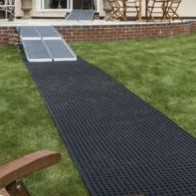
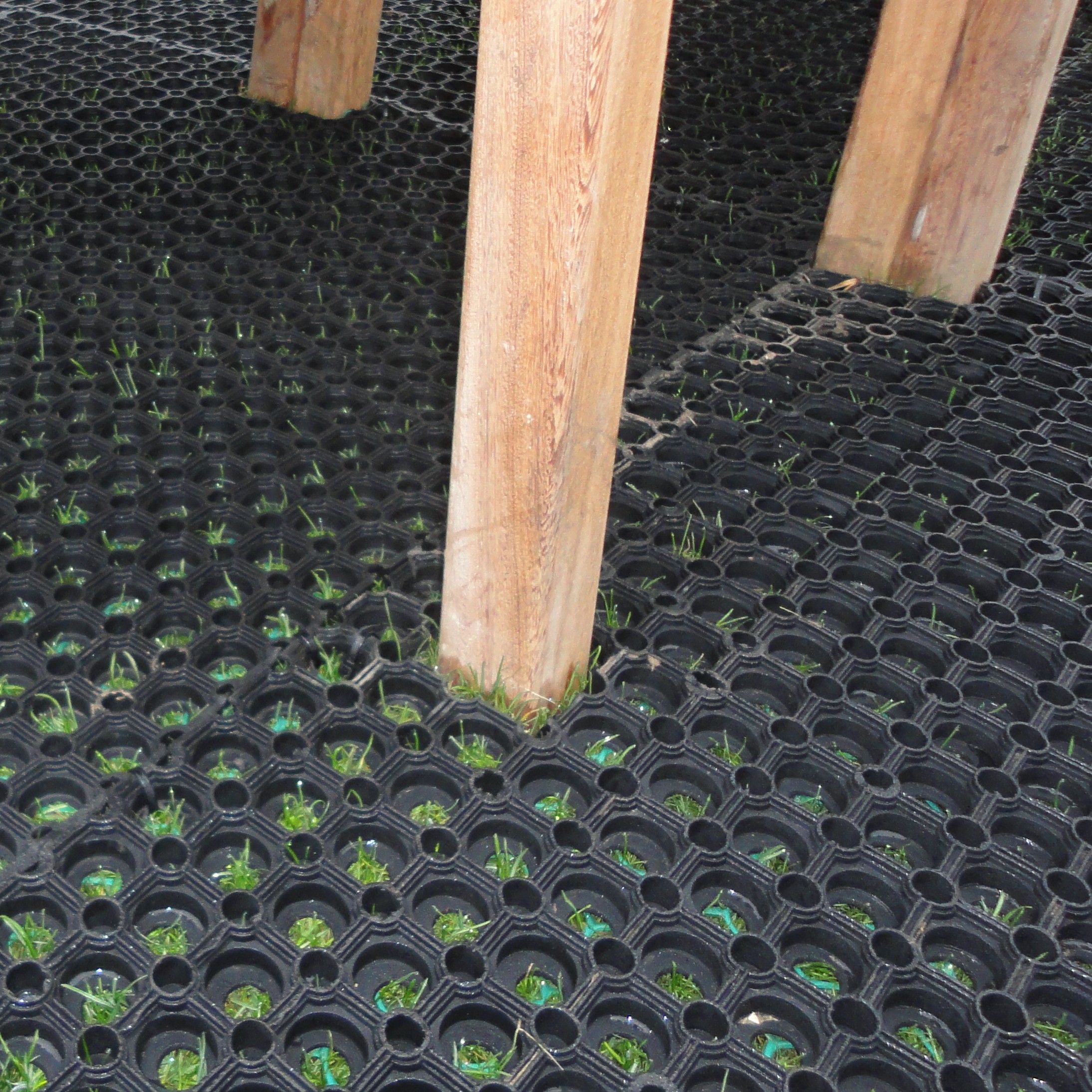
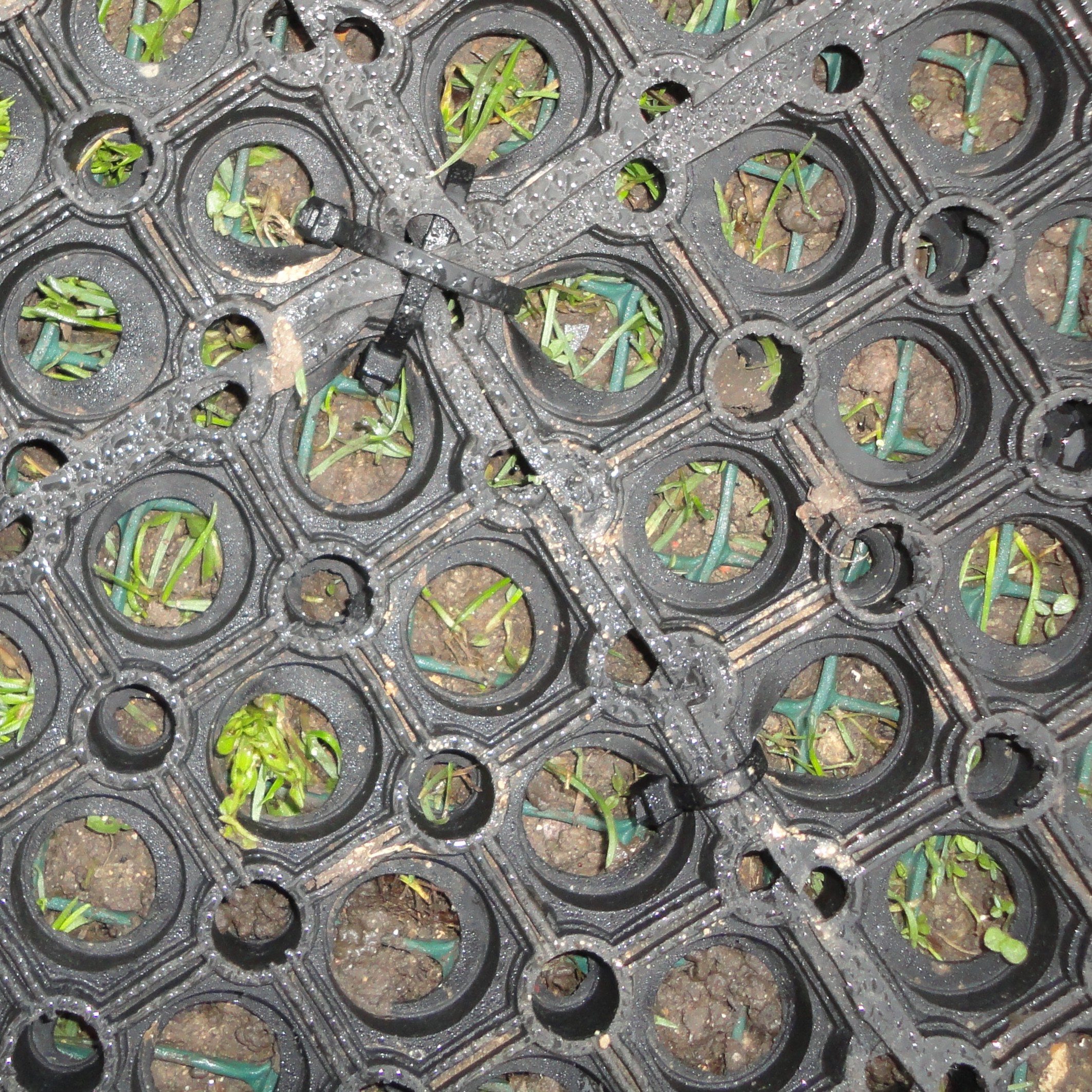
    These mats are built for proper British weather. They give you amazing grip on ice, snow, or mud because the clever design lets all the slush and rain drain right through. No more giant puddles or muddy entrances.

    They are perfect for all Work and Public areas, Christmas markets, Ice Rinks, Sports Events or any busy outdoor spot which has a high pedestrian footfall.

    Perfect for Any Winter Event

    If you have a festive venue? These mats are a game-changer. They’re light, flexible, easy to roll out on grass, gravel, or concrete. Allowing you to create a safe path anywhere in minutes.

    We see them used all over the place:

  • Ice Rinks: For walkways and changing areas.
  • Office Entrances: To prevent slips in high traffic areas.
  • Christmas Markets: Stops the fields from turning into a mud bath.
  • Pub Gardens & Patios: For safe entrances and outdoor seating.
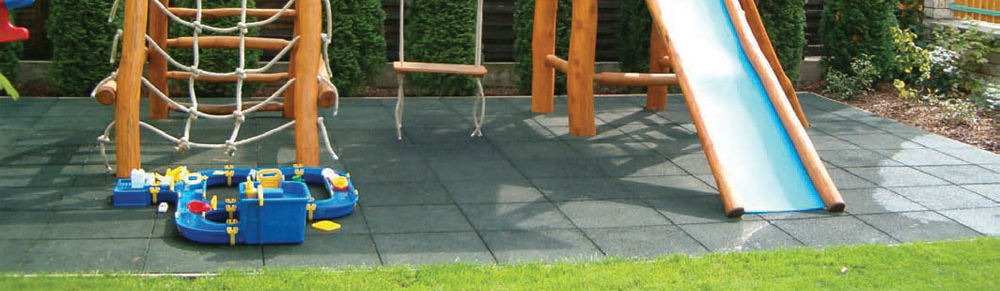
  • Schools & Playgrounds: So kids can play safely all winter.
  • Car Parks & Event Paths: To stop slips in busy areas.
  • Tested to give you confidence

    And this isn't just us saying they're safe – we have got the proof. Our mats are independently tested to official standards (BS EN 1177: 2008). They have a Critical Fall Height rating of up to 3.4 metres. In plain English, that means they're brilliant at absorbing impact if someone takes a tumble, which helps prevent nasty injuries. Tough, Green, and Built to Last.

    Not only do they provide a safe surface, they are made from recycled rubber, ensuring they are tough. They won't crack in the frost, and they even protect the grass underneath from getting churned up. When winter's done, just roll them up and stick them in storage for next year.

    So, Why Are They So Good?

    Incredible grip on ice, snow, and mud Safety certified Help reduce injuries Super easy to install and remove Perfect for any winter event or venue

    Make Your Winter Safer (and Less Stressful!)

    Stop worrying about slips and falls this winter. Polymax Snow Mats keep your staff and guests safe so you can focus on the fun stuff.

    Find out more about our Snow Mats

  • Anti-Slip Pool Matting, its properties and various uses.

    Non-slip swimming pool matting can be used in a variety of applications, whether it is for personal use, community use or within a workplace, Polymax has a large variety of pool matting to offer.

    Our customers range from Private Spa Resorts and Community Leisure Centers, using our anti- slip as pool matting, to charitable organisations such as trinity house and the RNLI requiring safety for their personnel aboard sea vessels.

    Our non slip matting can also be used in working environments such as clubs and bars, providing safe walking areas where spillages may occur. The anti-slip matting comes in a range of colours and thickness to suit your preference.

    The Range

    Our first anti-slip mat Is the FLOORLINE pool matting roll, a strong and flexible PVC matting roll that boasts resistances to chlorine, oils and salt water, making this an ideal solution for swimming pools and areas around open water swimming. Czytaj dalej

  • Produkty 1 do 10 z 43

    Cookie Notice.
    This websites use cookies. By continuing to browse the site you are agreeing to our use of cookies.
    Accept Zamknij More information